Frozen: Two survival sagas from Antarctica
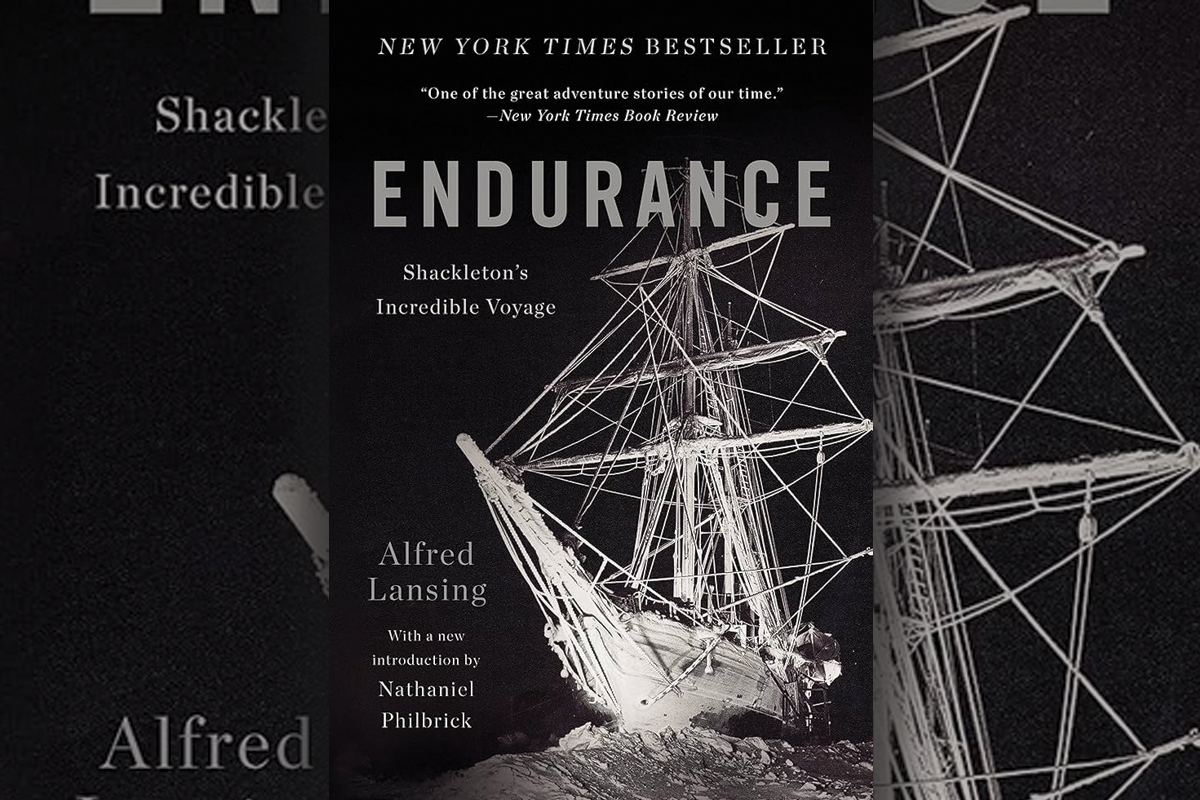
In January, in the middle of the week-long subfreezing temps and the snow that froze into ice, one of my sons gave me a belated Christmas gift, Alfred Lansing’s “Endurance: Shackleton’s Incredible Voyage (Basic Books, 2015, 416 pages). Originally published in 1959, this account of explorer Ernest Shackleton and his 27-man crew and their long battle for survival in Antarctica sold moderately well, then took off with the public after its reappearance in the late 1980s. Many of you readers have likely read this tale of heroism and resilience, but I was a come-lately to its pages.
It was a book unlike any other I’d ever read.
About halfway through, I realized that every time I thought, “Well, things can’t get any worse than this,” some new disaster occurred: the crushing of the Endurance amid massive, moving islands of ice; camping out on floes and ice packs that threatened to break apart, and sometimes did; the constant worry about food; the utter misery of living cold and wet in temperatures as low as negative 40 degrees F. Much of the time, the crew’s circumstances and changes in fortune weren’t one step forward and two back, but simply back and back and back.
And there was more. I read the book slowly at first, no more than 10 pages at a time, just before falling asleep. Later, when my schedule permitted more reading, I progressed faster, but I credit the slow passages of time spent with Shackleton and crew as producing other effects on me rarely delivered by any book, mostly a sense of appreciation and gratitude. The weather outside, often in the teens, seemed less painful. The food I ate took on new meaning as I read of the men of the Endurance being thankful for blubber and penguin and seal meat. They washed, when they washed at all, with snow, which rubbed their skin raw; I showered under hot water. My apartment was toasty; they were sleeping huddled together under tarps and tents on wood slats or on the ice. They were happy when their clothing was only damp; I was wearing dry, warm shirts and sweaters.
“Endurance” also offered implicit lessons for living. With no outside contact or hope of aid, the men survived for approximately 20 months, teaching the rest of us the value of making do with whatever is at hand. Reading of all they suffered, and how they bounced back after one heartbreaking disappointment after another, their example should deepen whatever notions of resilience we might possess. They made their own entertainment through all those days and nights of frigid weather and horrible gales, singing, reading aloud from the few books they possessed, telling stories, a reminder that we too possess creative powers and independence all waiting to be used.
Finally, the sheer amount of investigative work American author Alfred Lansing poured into this labor of love is breathtaking. He interviewed survivors of this epic trek as well as their family members and friends, gathered letters and newspaper accounts, and wove all these sources into a masterpiece of journalistic literature.
Related Items

More strands for the tapestry

Upcoming events at City Lights

Indigenous wisdom through the ages

Upcoming events at City Lights
Near the end of “Endurance,” Shackleton and two of his men, Crean and Worsley, sail by open boat in a last desperate attempt to find help for themselves and the others. Finally they reach the Stromness Whaling Station, where they find relief and the ships that will rescue the rest of the crew. On making their first startling appearance, the foreman of a work crew, Mathias Anderson, leads these three wraiths to his supervisor, Thoralf Sorlle, whom Shackleton knew. Lansing writes:
“When he saw the three men he stepped back and a look of disbelief came over his face. For a long moment he stood shocked and silent before he spoke.
“‘Who the hell are you?’ he said at last.
“The man in the center stepped forward.
“‘My name is Shackleton,’ he replied in a quiet voice.
“Again there was silence. Some said that Sorlle turned away and wept.”
We readers may not weep with Sorlle, but we can surely identify with that certain something he must have felt at that moment, the pride and wonder and sorrow of what it means to be a human being.
•••
Readers looking for more adventures in Antarctica should try Admiral Richard E. Byrd’s “Alone.”
A century ago, Byrd was an American hero. He had flown over both the North and South Poles and remains the only American ever honored with three New York City ticker-tape parades. Congress rewarded him with the Medal of Honor and the rank of admiral, the youngest ever appointed to that position.
In 1934, the 45-year-old Byrd volunteered to man Antarctic’s Boiling Advanced Base weather station, located about 126 miles from a permanent base, Little America II. The plan was that he would spend six months alone, tracking meteorological patterns.
Here’s where bibliophiles will smile. As he later wrote in “Alone,” one reason he took on this this lonely duty post was books. His usual schedule permitted little time for reading and listening to the recorded music he loved. Sealed off in his tiny prefabricated hut would afford him plenty of time for both.
A side note: Here’s where Byrd and I part ways. If I was looking for solitude and some time to read more, I’d pack a few boxes of books into the trunk of my car, head for the coast of North Carolina, and settle into a beachfront motel room.
For two months, Byrd’s plan worked, but then his heater malfunctioned, and the gaseous carbon monoxide nearly killed him. For several weeks, this proud man refused to notify Little America II of his illness and the raw temperatures he was enduring in his quarters. When they figured out that something was wrong, they sent a rescue mission across the treacherous landscape, which eventually returned Byrd to safety.
“Alone” is a fascinating story, filled with thoughts and philosophical speculations from the notes he took.
Here are two fine adventures that will warm you up in the winter weather and cool you off in the summer. Enjoy!
(Jeff Minick reviews books and has written four of his own: two novels, “Amanda Bell” and “Dust On Their Wings,” and two works of nonfiction, “Learning As I Go” and “Movies Make the Man.” This email address is being protected from spambots. You need JavaScript enabled to view it..)