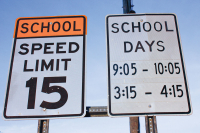
Shining Rock votes to end high school instruction
The Shining Rock Classical Academy board at its Feb. 25 meeting voted unanimously to end grades 9-11 instruction effective June 30, 2026, and to close grade 12 after the fall 2026 semester, in front of an audience of more than 100 people. The high school had been consistently running a deficit, and the board argued that it has a fiduciary responsibility to move the organization in the right direction.
DEQ awards $7.3M for Helene-damaged dam repairs
The N.C. Department of Environmental Quality’s Division of Energy, Mineral and Land Resources is awarding more than $7.3 million to support repairs for several high-hazard dams that were damaged during Hurricane Helene.
A high-hazard dam is defined as one where failure would likely result in loss of life or significant damage to homes, buildings, public utilities, primary highways or major railroads.
Straining for stabilization, Jackson weighs next budget
After last year’s property tax increase, Jackson County commissioners met Feb. 17 to begin planning next year’s budget, balancing fresh revenue growth against rising costs and lingering anxiety from property owners still absorbing the impact of escalating property values — just as a competitive Primary Election looms.
Maggie Valley budget workshop balances growth, recovery
As Maggie Valley rebuilds from Hurricane Helene and absorbs slow but steady residential growth, aldermen have begun shaping a 2026-27 fiscal year budget defined by guarded optimism, rising service costs and lingering storm obligations.
New Maggie Valley Town Manager Sam Cullen opened the workshop with a reminder that the board recently adopted a policy preventing the fund balance from dropping below 100% of annual expenditures — a common but informal goal for many of North Carolina’s smaller municipalities.
Hurricane Helene water infrastructure funds available
The U.S. Environmental Protection Agency allocated a combined $686 million to North Carolina for Hurricane Helene-related drinking water, wastewater and septic system projects, with a focus on resiliency and a goal of reducing risk and vulnerability in systems as they face future storms.
EBCI chief criticizes Lumbee as federal recognition nears finish line
The National Defense Authorization Act cleared the House with bipartisan support last week, prompting the Senate’s Dec. 15 procedural vote — which all but guarantees that the $901 billion spending bill will be at the president’s desk before the holidays. This year, the “must-pass” annual legislation will represent the largest single sum of funds devoted military programs in the nation’s history. And yet, those appropriations have nothing to do with the strong opposition voiced by a community in Western North Carolina.
More funding for temporary jobs, training for Helene recovery
The U.S. Department of Labor has released additional funds to help North Carolinians get back to work in areas affected by Hurricane Helene.
The new funds, totaling $4 million, represent the remaining portion of a $10 million Disaster Recovery Dislocated Worker Grant that the U.S. Department of Labor initially awarded to North Carolina in 2024 in the wake of Helene.
Haywood still waiting on millions in FEMA reimbursements
It’s beginning to sound like a broken record — nearly a year after Hurricane Helene tore through Western North Carolina, Haywood County government has received only 4% of the money it is owed from the federal government, leaving officials frustrated and taxpayers effectively footing the bill.
Colquitt Foundation gives $750,000 for Helene recovery in Smokies
The Colquitt Foundation has given $750,000 to the nonprofit Friends of the Smokies to save historic structures and help the national park’s Cataloochee Valley recover from damage caused by Hurricane Helene.
$2 million for EV chargers awarded through Volkswagen Settlement funds
The North Carolina Department of Environmental Quality’s Division of Air Quality is awarding another $1.91 million for new public electric vehicle chargers across North Carolina, filling gaps in the state’s charging network along highways and in rural communities.